Oil Seal replacement schedule for preventive maintenance
Oil seals, also known as rotary shaft seals, play a vital role in various mechanical systems, particularly in automotive and industrial applications. These seals are designed to retain lubricants and prevent contaminants from entering the machinery. The need for reliable oil seal replacement has become increasingly important as machinery operates under more demanding conditions. With improper maintenance, you risk not only machinery performance but also safety, leading to costly downtime. In this article, we’ll explore oil seal replacement, its significance in preventive maintenance, and how timely replacement can enhance machinery longevity and efficiency.
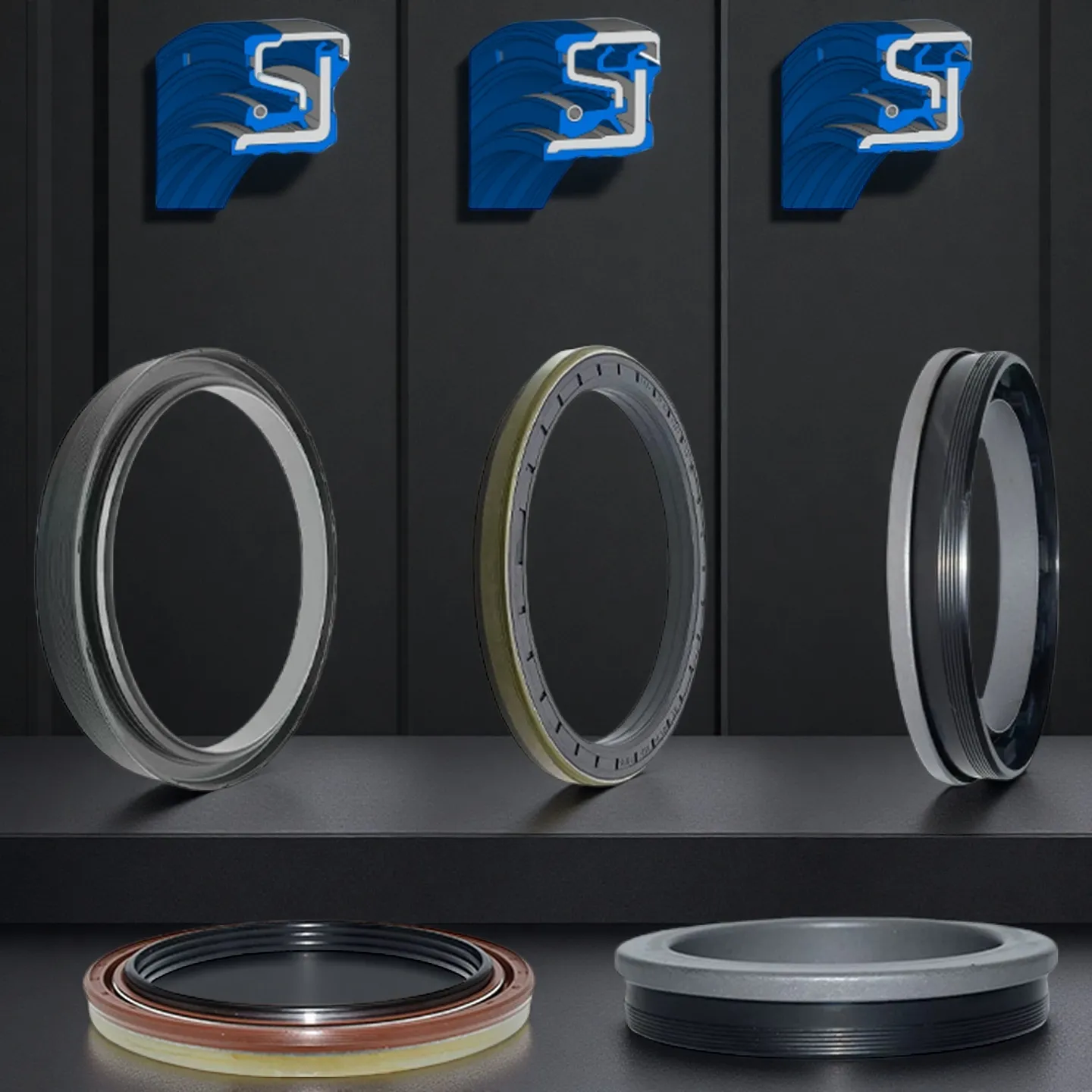
Definition of Oil Seal and Industry Term Analysis
An oil seal is a component designed to seal the space between rotating and stationary parts of machinery. It prevents the leakage of lubricating oils while keeping contaminants like dust and water from entering. Oil seals are typically made from elastomeric materials that provide flexibility and resistance to various oils. The most commonly used types of oil seals are the lip seal and the radial seal, each serving different specifications based on the machinery's requirements.
In the industry, terms like "dynamic" and "static" seals are crucial for understanding how oil seals function. Dynamic seals operate with moving components, while static seals are designed for stationary applications. Understanding these terms helps in selecting the right oil seal for specific applications.
Application Scenario: Where Are Oil Seals Used?
Oil seals are critical in a variety of fields, including:
Automotive Industry: Oil seals prevent leaks in engines, transmissions, and differentials. A worn oil seal can lead to oil leakage, which may reduce the efficiency of the engine and cause severe damage.
Industrial Equipment: Machinery in manufacturing and processing facilities heavily relies on oil seals to maintain lubrication levels, ensuring optimal performance and reducing the likelihood of equipment failure.
Aerospace: In aviation applications, oil seals help maintain the integrity of moving parts, ensuring functionality under high-stress conditions.
The necessity of oil seals in these sectors underscores their role in enhancing machinery performance and reliability.
Advantages of Regular Oil Seal Replacement
Regular oil seal replacement is essential for several reasons:
Preventive Maintenance: A well-maintained oil seal prevents oil leaks, which can lead to overheating and subsequent failure of machinery components. Studies show that planned maintenance can extend equipment lifespan by up to 30% (source: International Journal of Mechanical Manufacturing Technology).
Cost Efficiency: According to industry data, replacing oil seals when needed can reduce repair costs by as much as 50%. Minimizing unexpected downtime allows companies to allocate resources better and improve productivity.
Safety: In high-pressure environments, failing to replace an oil seal can lead to catastrophic equipment failure. Ensuring timely replacement reduces workplace hazards for employees.
Next Steps: Understanding and Implementing Oil Seal Replacement
To facilitate the transition to effective oil seal replacement, reading the user guide is an essential first step. This guide typically details specific replacement schedules, lubrication requirements, and the necessary tools for handling oil seals. Additionally, consult industry resources or manuals provided by manufacturers like HONGYU, who specialize in oil seal products known for their durability and reliability.


Comments
Post a Comment